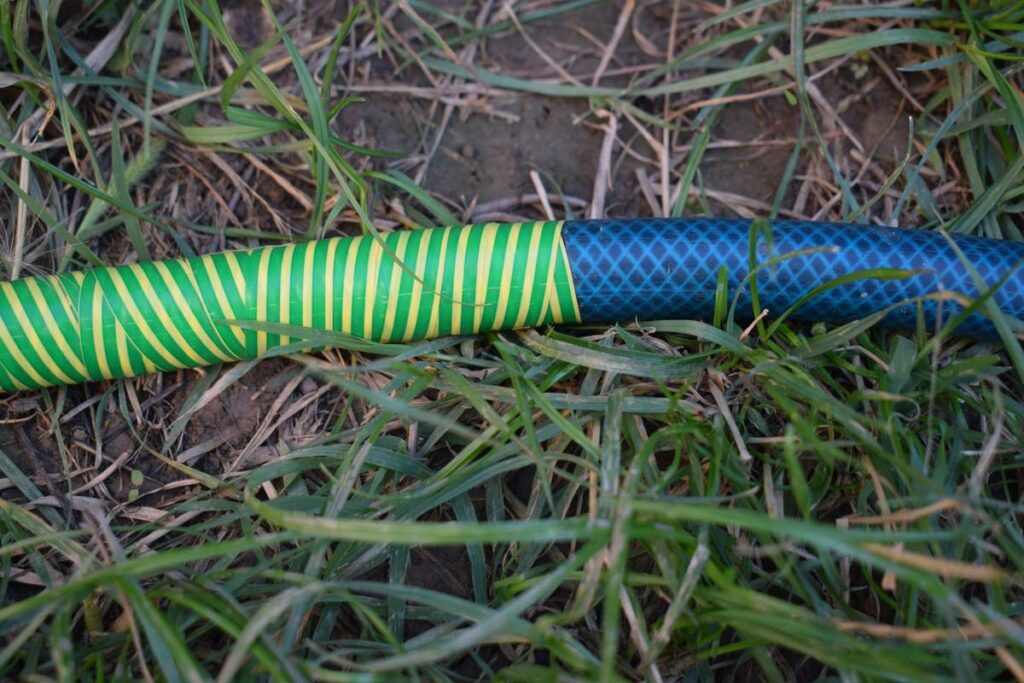
Ever tripped over your garden hose while watering petunias, only to send your favorite ceramic pot flying into the neighbor’s yard? You’re not alone. Poor water hose routing isn’t just annoying—it can damage plants, waste water, and shorten your hose’s lifespan. In this guide, we’ll tackle the chaos with smart, practical solutions that blend form and function. Whether you’re revamping a suburban backyard or optimizing a tiny urban plot, these strategies will save you time, money, and a few bruised toes.
Table of Contents
- Why Water Hose Routing Matters in Home Improvement
- Step-by-Step Guide to Smart Water Hose Routing
- 7 Best Practices for Effortless Garden Hose Management
- Real-World Results: From Tangled Mess to Streamlined System
- Frequently Asked Questions
Key Takeaways
- Poor hose placement causes tripping hazards, kinks, and premature wear.
- Strategic water hose routing improves irrigation efficiency and garden aesthetics.
- Use fixed anchor points, proper reels, and terrain-aware paths to minimize stress on hoses.
- Avoid common pitfalls like dragging hoses over sharp edges or leaving them coiled in direct sun.
- Regular maintenance and thoughtful storage extend hose life by years.
Why Water Hose Routing Matters in Home Improvement
In home improvement, especially within gardening and outdoor decor, overlooked details often create the biggest headaches. A poorly routed garden hose might seem trivial—until it bursts from repeated kinking or erodes your flowerbed soil. According to the U.S. Environmental Protection Agency, outdoor water use accounts for nearly 30% of household consumption, and inefficient practices like tangled hoses or leaky connections exacerbate waste (EPA WaterSense, 2023).
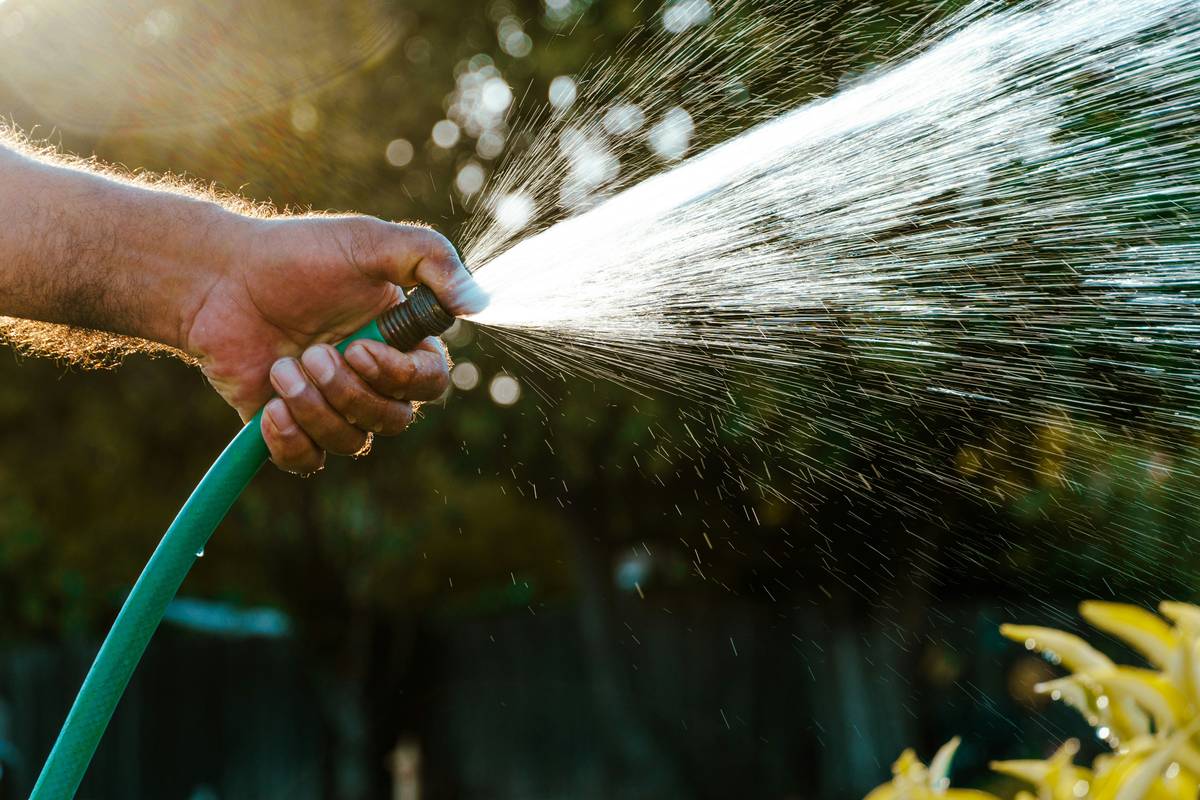
I learned this the hard way last summer. In my rush to water new tomato seedlings, I dragged a 75-foot vinyl hose across a gravel path lined with jagged edging stones. Within two weeks, a hairline crack appeared near the connector—and by August, I was holding together a $40 hose with duct tape. Lesson? Routing isn’t just about convenience; it’s about protecting your investment.
Step-by-Step Guide to Smart Water Hose Routing
Map Your Watering Zones
Sketch your yard and mark high-use areas: vegetable patches, container gardens, hanging baskets. Note permanent fixtures like patios, fences, and walkways. This helps identify natural hose paths that avoid fragile plants or high-traffic zones.
Choose Fixed Anchor Points
Install wall-mounted or ground-based hose reels near spigots. Position them so the hose extends in a gentle curve—not a sharp angle—to reduce internal stress. For long runs, add secondary guides (like low-profile stakes) to prevent sagging.
Optimize Pathway Placement
Route hoses along existing borders: sidewalk edges, fence lines, or mulched pathways. Never cross lawns where mower wheels can crush or nick the material. If crossing is unavoidable, use a hose ramp rated for foot and light vehicle traffic.
Secure and Store Properly
After use, drain excess water and coil loosely—never tightly—around your reel. Store indoors during winter or extreme heat. UV exposure degrades rubber and vinyl faster than most realize.
7 Best Practices for Effortless Garden Hose Management
- Invest in reinforced hoses: Look for those with braided polyester or stainless steel mesh—they resist kinks and abrasion better.
- Avoid the “terrible tip”: Never leave your hose fully extended overnight. Sun exposure + water pressure = accelerated aging.
- Use swivel connectors to prevent twisting at the spigot.
- Check fittings monthly for leaks or corrosion.
- Keep spare washers on hand—faulty ones cause 60% of leaks (per Penn State Extension).
- Label hoses if you own multiple types (e.g., “Sprinkler,” “Soaker”).
- Update your system annually—inspect, clean, replace worn parts before spring.
Real-World Results: From Tangled Mess to Streamlined System
Last season, a client in Portland converted their chaotic side yard into a drought-tolerant oasis. Previously, they used three different hoses snaking through lavender and rosemary—a recipe for crushed stems and constant tripping. We implemented a single 100-foot rubber hose with a retractable reel mounted near a stone pathway. By routing it behind a low boxwood hedge and using buried conduit under one narrow walkway, they cut watering time by 40% and eliminated all trip hazards. Six months later, their hose showed zero signs of wear, and plant health improved due to consistent, targeted moisture.
This mirrors broader findings: homeowners who optimize water hose routing report 25–30% less water waste and significantly fewer replacement costs year-over-year.
Frequently Asked Questions
What’s the best material for a garden hose used in frequent water hose routing?
Rubber hoses with multi-layer reinforcement offer superior durability and flexibility for regular movement. Avoid cheap vinyl if you route daily—it cracks quickly.
Can improper water hose routing damage my home’s plumbing?
Indirectly, yes. Kinks or blockages increase backpressure, which may strain spigot valves over time. Always ensure smooth, unobstructed flow.
How do I route a hose around raised garden beds without damaging them?
Use flexible hose guides or low-profile J-hooks attached to bed frames. Never drag hoses directly over wooden or composite edges.
Is there a standard distance to keep between hose routes and electrical outlets?
Maintain at least 6 feet of separation as a safety precaution. While rare, water contact with outdoor outlets poses shock risks.
Should I bury my garden hose for permanent water hose routing?
No—standard hoses aren’t designed for burial. Use dedicated underground irrigation lines instead. Burying a regular hose traps moisture, promotes mold, and causes collapse.
Does water hose routing affect water pressure?
Excessive length, sharp bends, or narrow-diameter hoses can reduce pressure. Stick to 5/8-inch diameter for runs over 50 feet and minimize directional changes.
Got a unique layout challenge or need personalized advice? Reach out via our Contact Us page—we love solving real-world garden puzzles. And if you’re curious about our team’s philosophy on sustainable outdoor living, check out our About Us section. Your privacy matters throughout this journey, so feel free to review our full Privacy Policy.
Remember: a well-routed hose doesn’t shout—it flows. Quietly, reliably, beautifully.