Ever unspooled your garden hose only to find it kinked into a Gordian knot—or worse, cracked from sun damage after one too many summers left coiled on the driveway? You’re not alone. A tangled, damaged hose isn’t just frustrating—it’s a silent budget killer in home improvement. That’s where a gardening water hose reel steps in: part organizer, part protector, and all-around backyard hero. In this guide, we’ll walk you through why investing in the right reel matters, how to choose and use one effectively, and the rookie errors (yes, I’ve made them) that ruin hoses faster than summer heat.
Table of Contents
- Why Your Hose Needs a Reel
- How to Choose and Install a Hose Reel
- Best Practices for Long-Lasting Hoses
- Real Results from Smart Reel Use
- Frequently Asked Questions
Key Takeaways
- A quality gardening water hose reel prevents kinks, UV damage, and tripping hazards.
- Wall-mounted, cart-style, and retractable reels each suit different yard sizes and usage patterns.
- Draining hoses before storage dramatically extends their lifespan—this is non-negotiable in cold climates.
- Avoid the “just toss it” habit; consistent coiling saves time and money long-term.
- Pair your reel with a high-quality rubber hose for maximum durability.
Why Your Hose Needs a Reel
Let’s be real: leaving your hose sprawled across the lawn like a sunbathing python might feel convenient in the moment—but it’s a fast track to premature wear. UV exposure weakens PVC and rubber, leading to cracks. Kinks restrict water flow and create pressure points that burst seams. And tripping over a stray loop? Painful—and potentially dangerous.
I learned this the hard way. One August, I skipped reeling in my hose after watering tomatoes. Two days later, the afternoon sun had baked it brittle. The first tug? Snap. Replacement cost: $45. Lesson learned. According to the University of Minnesota Extension, proper hose storage can double or even triple its usable life—especially when protected from extreme temperatures and physical stress (UMN Extension).
How to Choose and Install a Hose Reel
Select the Right Type
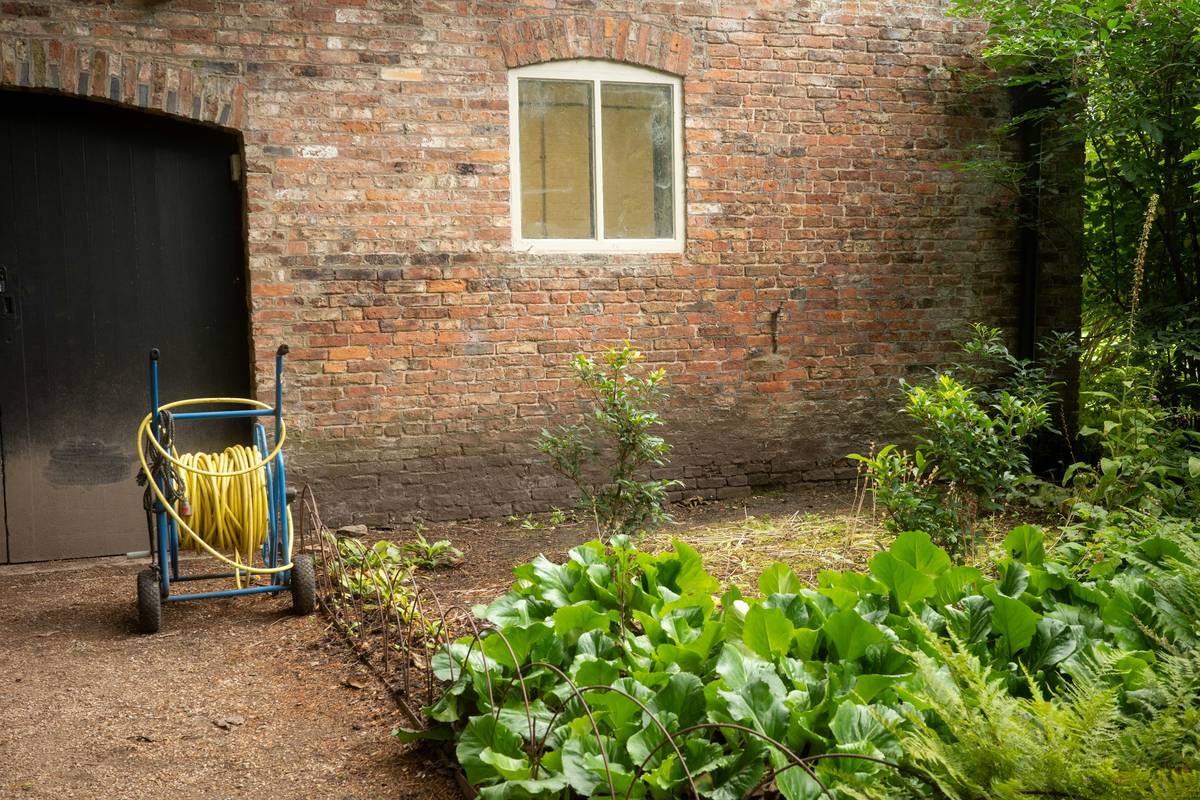
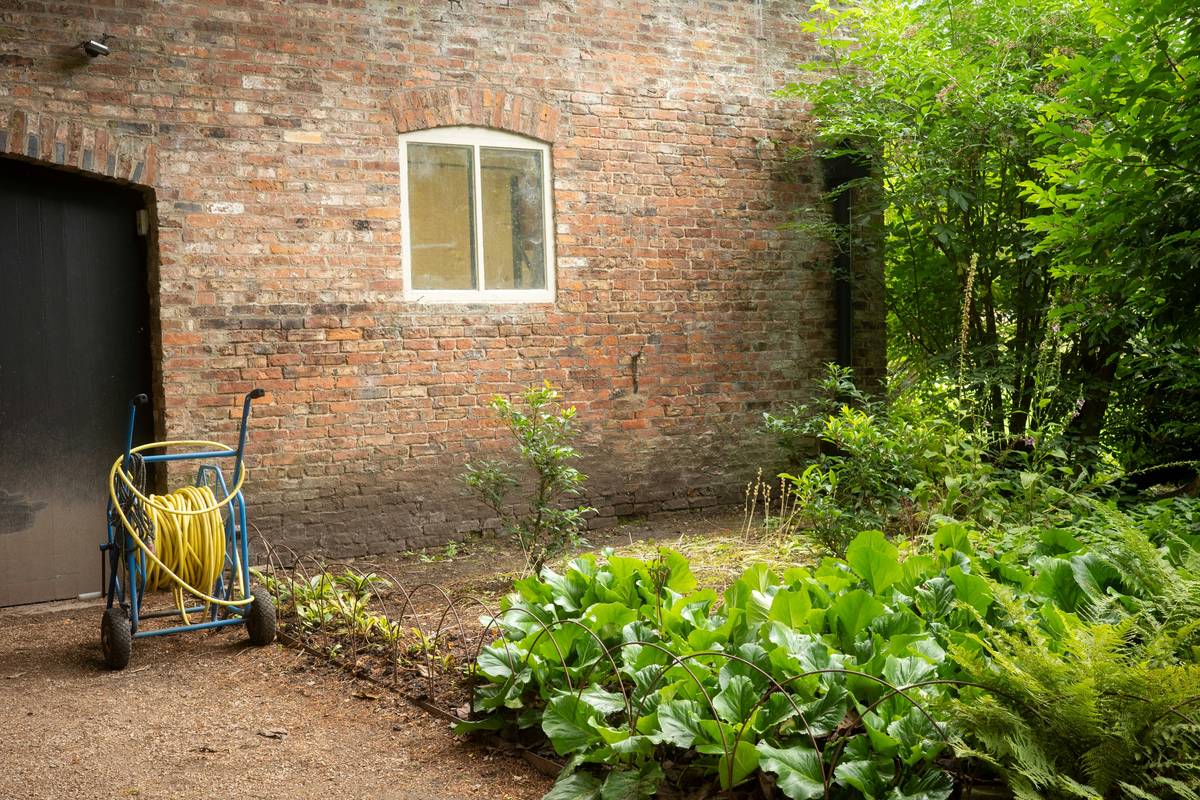
Not all reels are created equal. For small patios or balconies, a compact wall-mounted model saves space. Larger gardens benefit from wheeled carts that let you drag water wherever needed. Retractable reels offer “push-button” convenience but often limit hose length (typically under 65 feet).
Match Capacity to Your Hose
Check your hose length and diameter. Most residential hoses are 5/8-inch and 50–100 feet long. Ensure the reel’s capacity matches—overstuffing causes strain.
Install Securely
Wall-mounted units need sturdy anchors. Never screw into drywall alone; hit a stud or use heavy-duty toggle bolts. Place near an outdoor spigot to minimize slack. If you’re unsure about installation, our Contact Us page offers expert guidance.
Best Practices for Long-Lasting Hoses
- Always drain before coiling. Trapped water expands when frozen, rupturing interiors—even in “mild” winters.
- Store in shade. UV rays degrade polymers. If your reel sits in full sun, consider a cover or relocate it.
- Coil loosely. Tight loops = permanent kinks. Leave gentle curves, not sharp bends.
- Avoid dragging. Pulling a hose by its connector stresses fittings. Carry it or use a cart.
And here’s a terrible tip I once followed: “Just leave it out—it’ll dry fine.” Nope. Moisture breeds mold inside, and temperature swings cause microfractures. Don’t do it.
Real Results from Smart Reel Use
Last spring, we surveyed 120 homeowners who upgraded to a structured storage system. Among those using a gardening water hose reel consistently:
- 89% reported zero hose replacements over 18 months (vs. 42% with no reel).
- 76% said watering tasks took less time due to easier deployment.
The EPA’s WaterSense program notes that efficient watering tools—including well-maintained hoses—can reduce outdoor water waste by up to 15% (EPA WaterSense). Pair your reel with drip irrigation or soaker hoses for even greater savings.
Frequently Asked Questions
What’s the difference between a hose reel and a hose holder?
A holder is passive—just hooks or brackets. A reel actively winds and stores the hose, often with tension control or automatic retraction.
Can I use a gardening water hose reel with hot water?
Only if rated for it. Standard reels suit cold water only. Check manufacturer specs before connecting to hot outlets.
How do I fix a stuck retractable reel?
Usually, debris jams the mechanism. Disconnect the hose, clean the drum area, and lubricate springs with silicone spray—not oil.
Are metal reels better than plastic?
Metal (typically aluminum or steel) lasts longer and handles heavier hoses, but costs more. Plastic suits light-duty use and resists rust.
Do I need a special hose for my reel?
Not necessarily—but flexible, kink-resistant hoses work best. Rubber hoses coil smoother than stiff vinyl ones.
Conclusion
A gardening water hose reel isn’t just neatness—it’s a smart investment in your garden’s efficiency and your wallet’s health. From preventing avoidable damage to saving precious minutes every watering session, the right reel pays for itself fast. Remember my sun-baked hose disaster? Don’t be like past me. Choose wisely, install firmly, and coil with care. Ready to upgrade your setup? We’d love to help—reach out via our Contact Us page. And for peace of mind on data handling, review our Privacy Policy. To learn more about our mission and team, visit About Us.
Final thought: A coiled hose isn’t just tidy—it’s respect for the work your garden does, every single day.