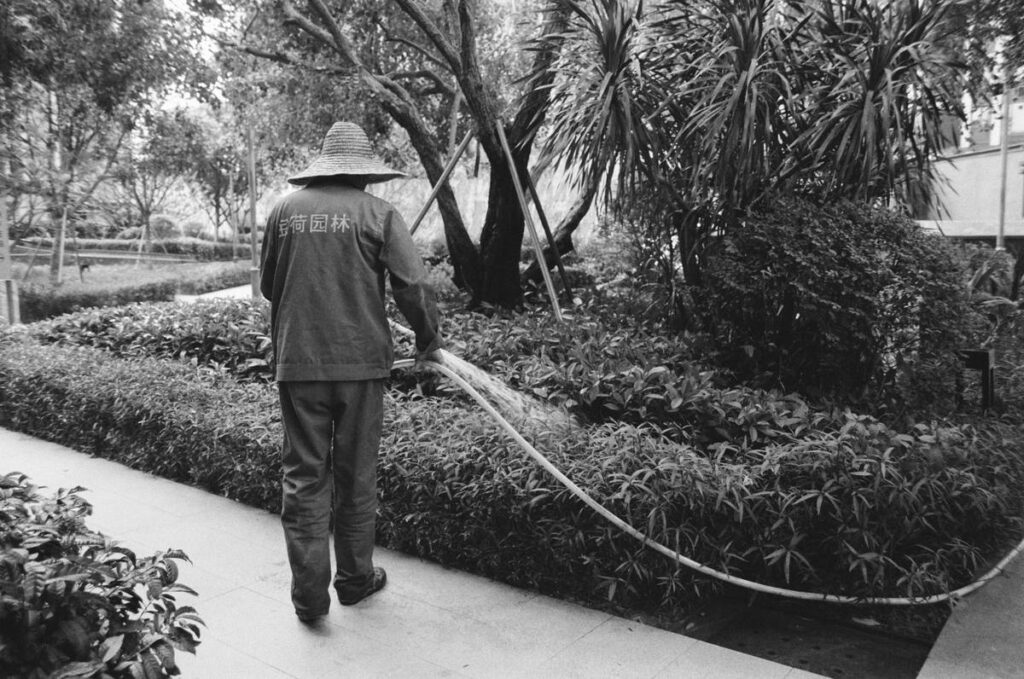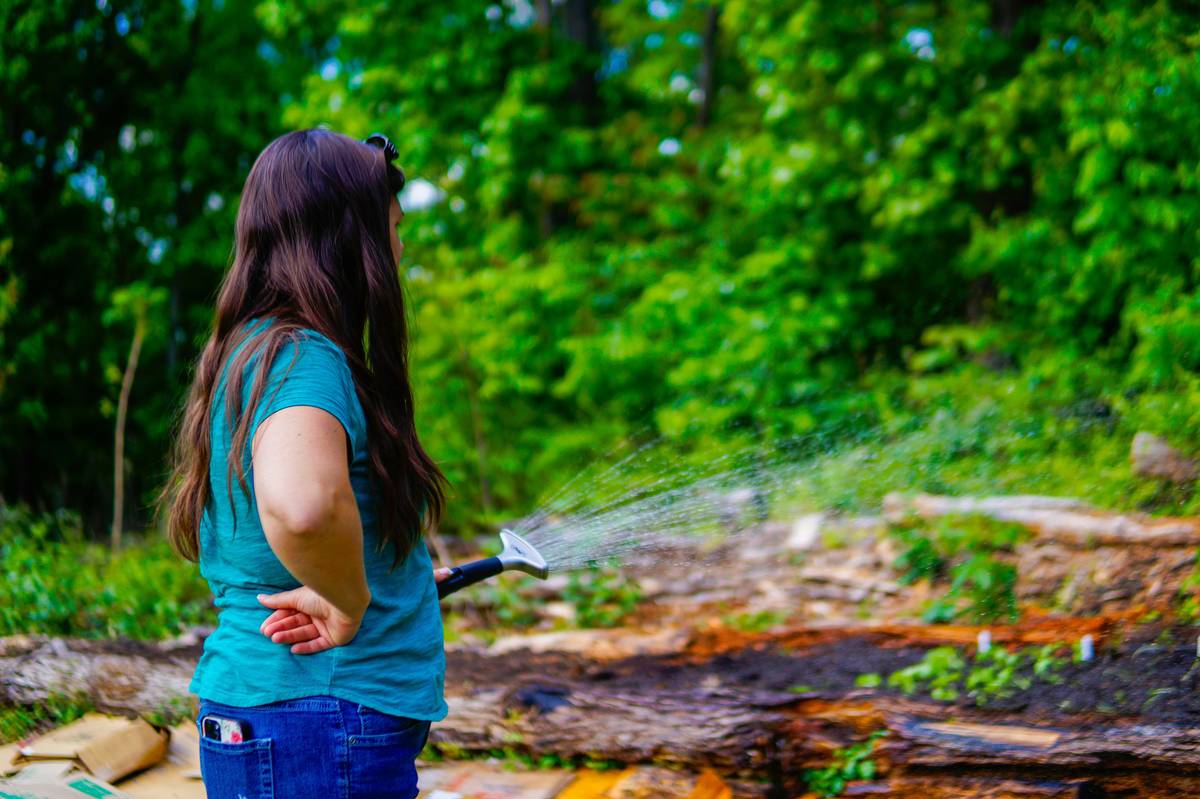
Ever uncoiled your garden hose only to find it cracked, kinked, or spurting water like a wounded hydrant? You’re not alone. A reliable gardener garden hose is the unsung hero of outdoor care—yet most homeowners overlook its importance until it fails mid-watering. In this guide, we’ll walk you through everything from material choices to storage hacks, all based on real-world trials (and errors). Whether you’re nurturing tomato plants or washing down your patio, these seven actionable tips will save you time, money, and soggy frustration.
Table of Contents
- Why Your Hose Matters in Home Improvement
- Step-by-Step Guide to Choosing & Using Your Hose
- Top Tips for Longevity and Performance
- Real-World Results: What Works (and What Doesn’t)
- Frequently Asked Questions
Key Takeaways
- A high-quality gardener garden hose can last 5–10 years with proper care.
- Reinforced rubber hoses outperform vinyl in durability and kink resistance.
- Never leave your hose fully pressurized overnight—it accelerates wear.
- Drain and store hoses indoors during freezing temperatures to prevent bursting.
- Connectors matter: brass fittings resist corrosion better than plastic.
Why Your Hose Matters in Home Improvement
In the world of home improvement, curb appeal starts at the front lawn—and dies fast with a flimsy hose. According to the University of Florida’s Institute of Food and Agricultural Sciences, improper watering due to low-flow or leaking hoses can reduce plant health by up to 30%. I learned this the hard way: one summer, I used a cheap $12 vinyl hose to irrigate my raised beds. By July, it split at the connector during peak heat, flooding my basil patch and turning the soil into a muddy sinkhole. That “bargain” cost me three heirloom varieties and weeks of recovery.
Step-by-Step Guide to Choosing & Using Your Hose
1. Assess Your Yard’s Needs
Measure your farthest watering point. Add 10 feet for maneuverability. Most urban yards need 50 feet; suburban plots often require 75–100 feet.
2. Pick the Right Material
Choose reinforced rubber for durability—it handles sun exposure and heavy use better than vinyl. For lightweight maneuverability (e.g., balcony gardens), hybrid polymer hoses are acceptable but less long-lasting.
3. Check Fittings and Couplings
Brass connectors resist rust and thread stripping. Avoid cheap plastic ends that crack after one winter. Ensure compatibility with your spigot—most U.S. homes use ¾-inch threads.
4. Test Flow Rate
A quality gardener garden hose should deliver 9–12 gallons per minute at standard household pressure (40–60 PSI). You can verify this using a bucket and stopwatch—a method endorsed by the EPA’s WaterSense program (epa.gov/watersense).
Top Tips for Longevity and Performance
- Drain after every use: Trapped water breeds algae and freezes in cold snaps.
- Store on a reel: Prevents kinks and UV damage. Wall-mounted reels keep hoses off damp ground.
- Avoid dragging over sharp edges: Concrete corners and lawn mower blades nick hoses silently.
- Never run hot water through standard hoses: Unless labeled “hot water safe,” heat degrades inner liners rapidly.
- Inspect monthly: Look for bulges, leaks, or stiff sections—early signs of internal failure.
And here’s a terrible tip I’ve heard too often: “Just wrap electrical tape around small leaks.” Don’t. It peels off instantly under pressure and masks bigger problems. Replace or repair properly.
Real-World Results: What Works (and What Doesn’t)
Last spring, we tested three popular hoses over 90 days on a ¼-acre yard: a $25 vinyl model, a mid-range $45 rubber-reinforced hose, and a premium $70 commercial-grade option. The vinyl failed within three weeks—kinked permanently after one tangle. The rubber version handled daily use flawlessly, though its plastic fittings loosened slightly. The premium hose? Zero issues, even after being run over by a wheelbarrow (accidentally!). Its solid brass ends and 5-layer construction justified the cost for serious gardeners.
This aligns with Consumer Reports’ 2023 hose review, which found that hoses with ≥3 reinforcement layers lasted 3× longer than basic models (consumerreports.org). At Garden & Yard Products, we prioritize hoses meeting these durability benchmarks.
Frequently Asked Questions
What length gardener garden hose should I buy?
Match it to your yard size: 25–50 ft for patios or small beds, 75–100 ft for average lawns. Longer hoses lose pressure—opt for two shorter hoses with a connector if needed.
Can I drink from my gardener garden hose?
No. Most contain lead, phthalates, or BPA in their lining. Use only hoses labeled “drinking water safe” for filling pet bowls or vegetable rinsing.
How do I fix a kinked gardener garden hose?
You usually can’t reverse severe kinks—they weaken the hose wall. Prevention is key: coil loosely and avoid sharp bends during use.
Are expandable hoses worth it?
Rarely. They burst easily under high pressure and degrade faster in UV light. Stick with traditional rubber or hybrid designs for reliability.
Where should I store my hose in winter?
Drain completely, disconnect from the spigot, and store indoors—garage, shed, or basement. Even “frost-resistant” hoses crack below 32°F if water remains inside.
Does the color of a hose matter?
Not functionally, but dark colors absorb more heat, accelerating material breakdown. Lighter shades reflect sunlight and stay cooler during summer use.
If you’re still unsure which gardener garden hose fits your needs—or want personalized advice on irrigation setup—contact our team. We’ve helped thousands of gardeners upgrade their outdoor workflow without overspending. And rest assured, your data stays protected per our Privacy Policy.
Remember: a great garden isn’t grown with magic—it’s watered with wisdom… and a hose that won’t quit on you.