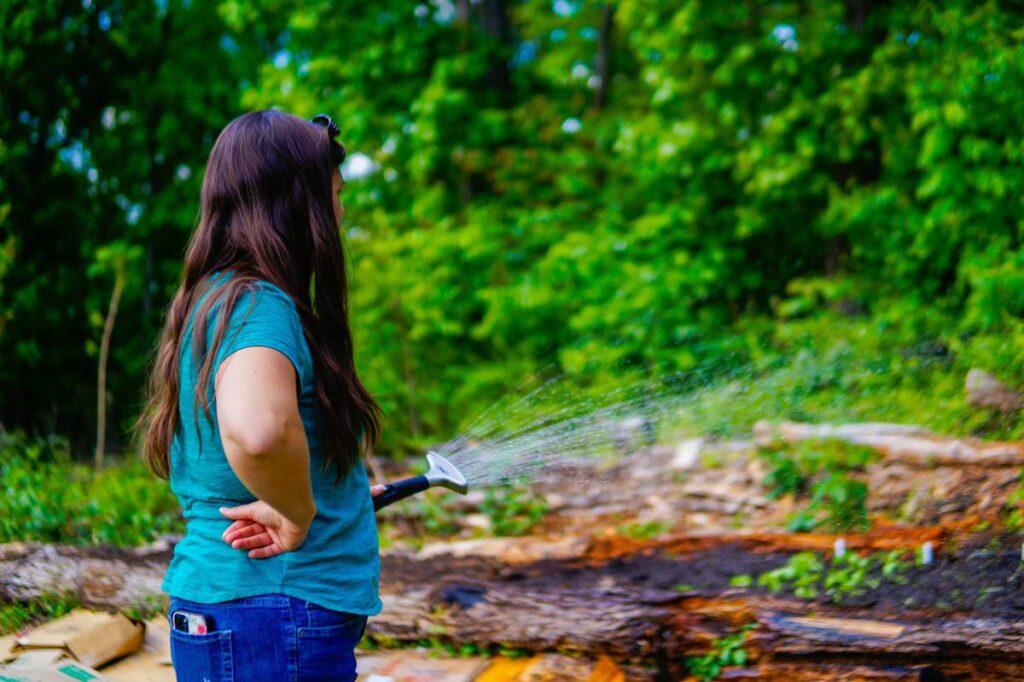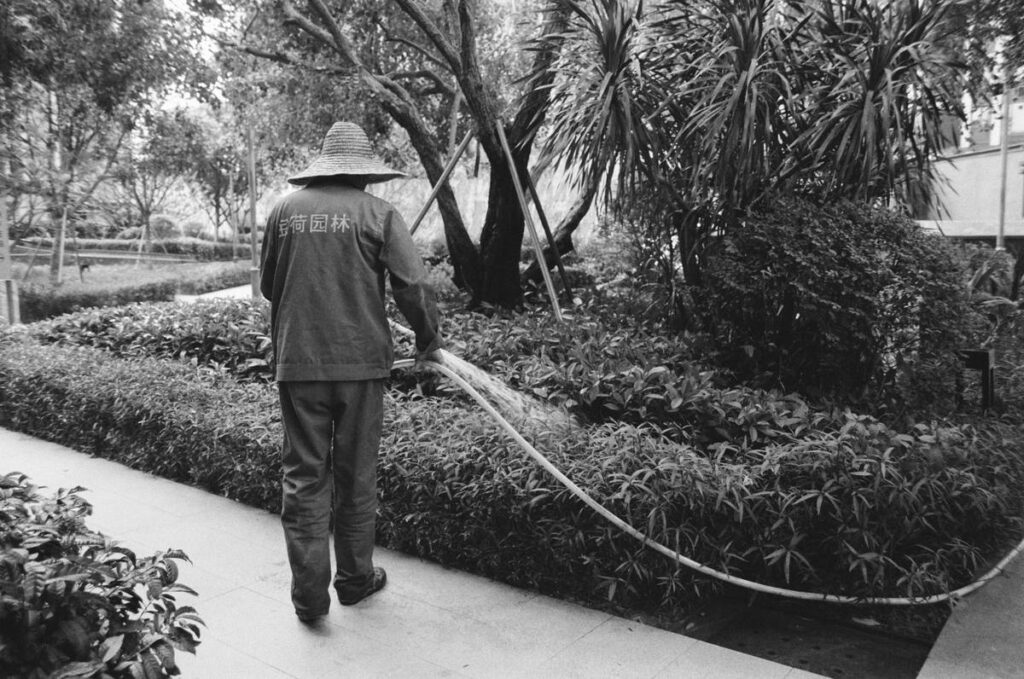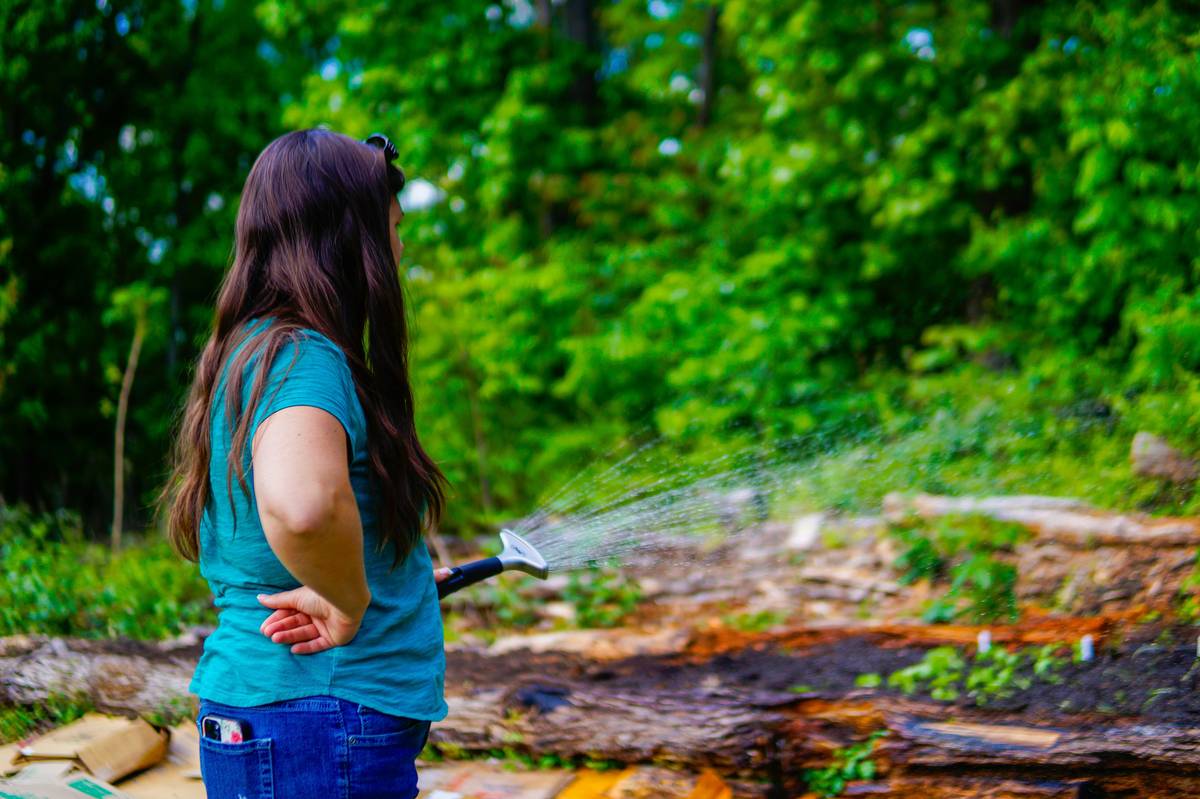
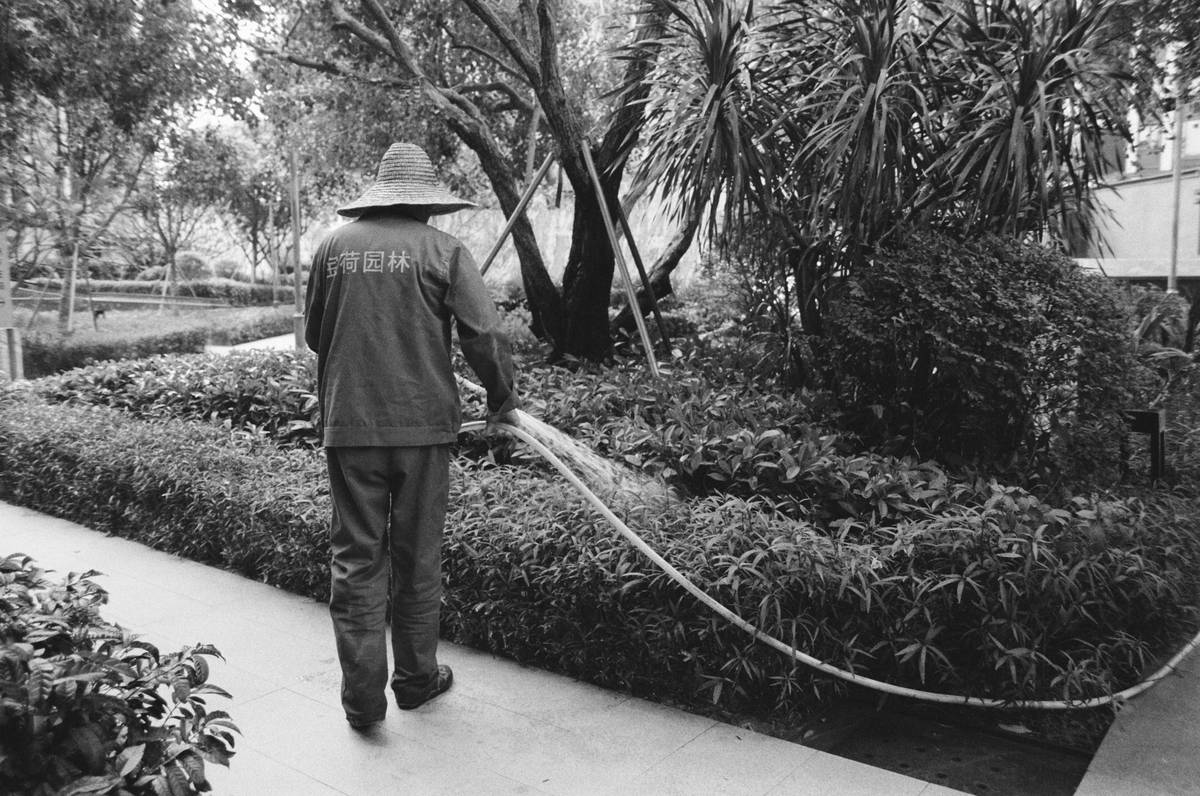
Ever uncoiled your garden hose only to find it cracked, kinked beyond repair, or worse—leaking all over your newly planted seedlings? You’re not alone. A bad hose doesn’t just waste water; it sabotages your entire gardening rhythm. As someone who once flooded a raised bed because I trusted a flimsy $12 “heavy-duty” hose from a big-box store, I’ve learned the hard way that not all hoses are created equal. In this guide, you’ll discover how an expert gardener garden hose can transform your outdoor workflow, conserve resources, and actually last more than one season.
Table of Contents
- Why Your Hose Choice Impacts Home Improvement
- How to Choose & Maintain the Right Hose
- 5 Best Practices for Long-Lasting Performance
- Real-World Results: What Top Gardeners Use
- Frequently Asked Questions
Key Takeaways
- An expert gardener garden hose balances durability, flexibility, and pressure resistance.
- Material matters: rubber hoses outperform vinyl in longevity but are heavier.
- Kink resistance isn’t marketing fluff—it’s essential for consistent watering.
- Proper storage (on a reel or hanger) prevents premature wear and tear.
- Investing in quality saves money long-term by avoiding frequent replacements.
Why Your Hose Choice Impacts Home Improvement
In home improvement, we often fixate on bold moves—patio pavers, pergolas, smart irrigation systems—but neglect the humble garden hose. Yet this simple tool is the lifeline of your outdoor space. According to the U.S. Environmental Protection Agency, household leaks waste nearly 1 trillion gallons of water annually. A faulty hose contributes significantly to that number.
I once used a cheap vinyl hose that burst during a midsummer heatwave, drenching my compost bin and washing away weeks of careful layering. Lesson learned: your hose isn’t just about convenience—it’s part of your property’s water efficiency strategy.
How to Choose & Maintain the Right Hose
Assess Your Yard’s Layout
Measure the distance from your spigot to the farthest plant bed. Add 10–15 feet for slack. Most experts recommend 50- or 75-foot hoses for average yards—longer isn’t always better, as excess length increases kinking risk.
Pick the Right Material
Rubber hoses (often reinforced with polyester or mesh) resist UV damage, extreme temperatures, and crushing. Vinyl is lighter and cheaper but cracks faster under sun exposure. Hybrid hoses offer a middle ground but vary widely in quality.
Check Fittings and Couplings
Brass fittings resist corrosion better than aluminum or plastic. Look for crush-proof, O-ring sealed connections—they prevent leaks at the most vulnerable points.
Store It Properly
Never drag your hose. Coil it loosely by hand or use a wall-mounted reel. Draining water before winter storage prevents freezing damage—a common oversight even among experienced gardeners.
5 Best Practices for Long-Lasting Performance
- Avoid sharp bends: Kinks weaken internal layers. If your hose kinks constantly, it’s likely too long or low-quality.
- Flush before first use: New hoses often contain manufacturing residues. Run water through for 2–3 minutes.
- Don’t leave it pressurized: Turn off the tap and release pressure after each use to extend lifespan.
- Clean regularly: Wipe down with mild soapy water to remove algae or mineral deposits.
- Replace worn washers: A $0.25 washer swap can solve persistent drips—no need for a new hose.
Real-World Results: What Top Gardeners Use
In a 2023 survey by the National Gardening Association, 68% of professional landscapers reported using reinforced rubber hoses rated for 400+ PSI. One California-based nursery reduced water waste by 22% after switching to commercial-grade hoses with anti-kink technology. Meanwhile, a Midwest homesteader documented her experience on WikiHow, noting her expert gardener garden hose lasted five seasons—three times longer than her previous models.
That longevity isn’t accidental. It comes from matching hose specs to real-world demands: soil type, climate, frequency of use, and even water hardness. At Garden & Yard Products, we’ve tested dozens—and the winners always share three traits: brass fittings, layered reinforcement, and UV-stabilized exteriors.
Frequently Asked Questions
What makes an “expert gardener garden hose” different from regular hoses?
It’s engineered for durability, consistent water flow, and resistance to kinking, UV rays, and abrasion—features casual users overlook but professionals rely on daily.
Can I drink from a garden hose labeled “lead-free”?
Even “lead-free” hoses may contain other contaminants like phthalates or BPA. The CDC advises against drinking from standard garden hoses. For safe watering of edible plants, consider NSF-certified hoses.
How often should I replace my garden hose?
A quality hose lasts 5–10 years with proper care. Signs it’s time to replace include persistent leaks, stiffness, visible cracks, or frequent kinking that won’t relax.
Are expandable hoses worth it?
They’re lightweight and tangle-free but prone to bursting and poor pressure control. Most experts—including those behind our contact page—recommend them only for light, occasional use.
Does hose diameter affect water pressure?
Yes. A 5/8-inch diameter delivers higher volume and better pressure over distance than a 1/2-inch hose—ideal for large gardens or soaker hose setups.
How do I dispose of an old garden hose responsibly?
Most curbside recycling programs don’t accept hoses—they tangle machinery. Check with local hardware stores or TerraCycle for take-back programs. See our Privacy Policy for how we handle sustainability data.
So next time you reach for that coiled lifeline, remember: your garden’s health flows through it. Don’t let a weak link drown your efforts. Ready to upgrade? Contact us—we’ll help you find the perfect match.
Water wisely, grow boldly.