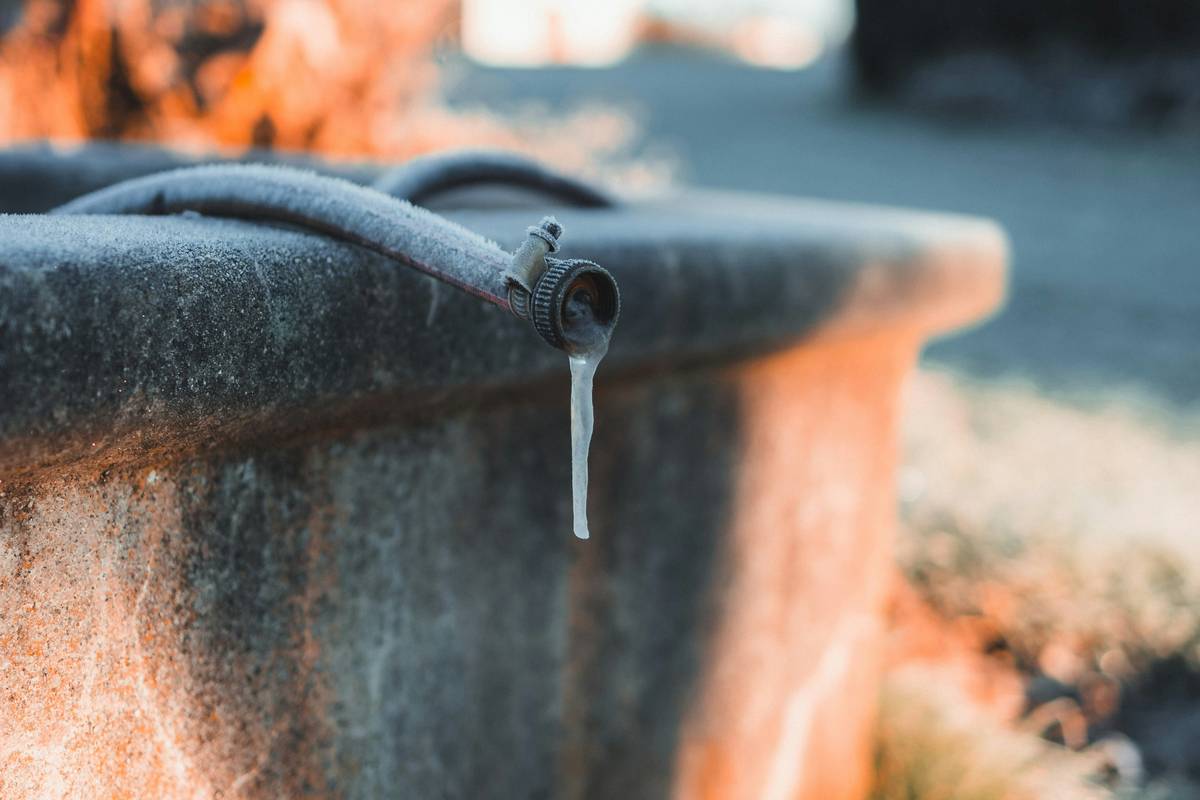
If you’ve ever wrestled with a stiff, frozen garden hose in December—or worse, burst a pipe trying to thaw it out—you know this isn’t just about watering plants. A hot water garden hose can be your secret weapon against winter’s icy grip, saving time, money, and maybe even your shed’s plumbing. In this guide, we’ll cut through the fluff and show you how these specialized hoses work, when they’re truly worth it, and exactly how to use them without turning your yard into a steamy hazard zone.
Table of Contents
- Why Hot Water Hoses Matter (Beyond Just Melting Ice)
- Step-by-Step Guide to Using a Hot Water Garden Hose
- 5 Best Practices for Safe & Effective Use
- Real-World Results: What Homeowners Actually Experience
- Frequently Asked Questions
Key Takeaways
- A hot water garden hose prevents freezing by circulating warm water—ideal for year-round outdoor tasks in cold climates.
- Never connect it directly to a standard water heater; use only with cold-to-warm sources like washing machine outlets or dedicated thermostatic valves.
- Proper storage and pressure relief are non-negotiable—skip them, and you risk damage or injury.
- These hoses aren’t magic—they won’t heat themselves but rely on external warm water flow.
Why Hot Water Hoses Matter (Beyond Just Melting Ice)
I learned the hard way during a Michigan January. After using my regular hose to rinse salt off my truck, I left it coiled near the garage door. Overnight temps dropped to 12°F. By morning, the hose was a frozen noodle—and the spigot behind it had cracked. The repair cost? Over $200. That’s when I discovered hot water garden hose systems designed specifically for cold-weather durability.
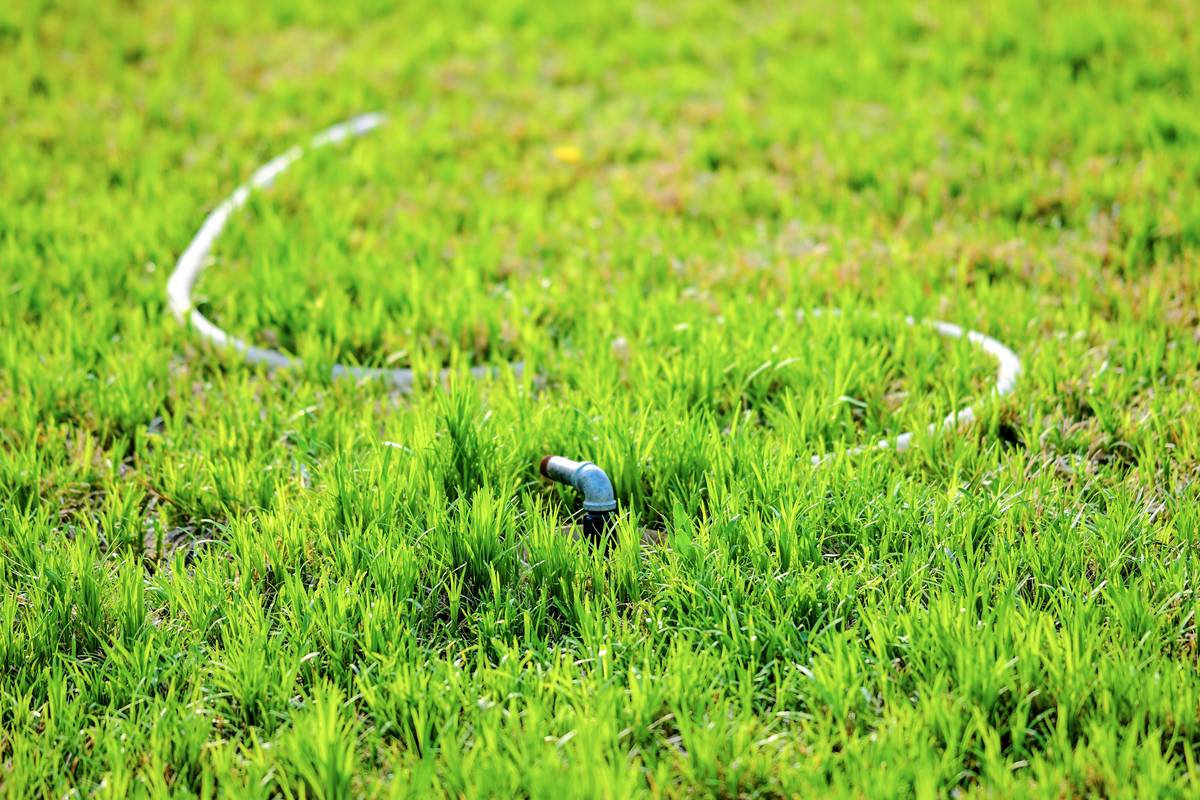
Unlike standard rubber hoses that stiffen below 40°F, these are built with reinforced thermoplastic layers that handle warm (not boiling!) water up to 140°F. According to the U.S. Department of Energy, outdoor faucets account for nearly 8% of winter-related home water damage claims. A properly used hot water hose can mitigate that risk significantly—especially if you need to de-ice walkways, clean patio furniture in winter, or maintain livestock troughs.
Step-by-Step Guide to Using a Hot Water Garden Hose
1. Verify Your Water Source Temperature
Never hook this hose directly to a tank water heater. Most residential heaters run at 120–140°F—enough to degrade standard hose materials over time. Instead, tap into a laundry sink or washing machine cold/warm cycle line, which typically delivers 80–100°F water. Check temp with a thermometer before connecting.
2. Flush and Inspect Before First Use
Run cold water through the hose for 30 seconds to clear manufacturing residues. Look for kinks or seam weaknesses. Even “freeze-resistant” hoses can fail if internally damaged during shipping.
3. Secure Connections with Brass Fittings
Plastic couplers often warp under warm-water pressure. Use brass or stainless-steel fittings rated for hot water (look for ASTM D4218 certification). Hand-tighten only—overtightening strips threads.
4. Operate in Short Bursts
Run water for no more than 10–15 minutes continuously. Extended use without flow can cause heat buildup. Always leave a slight drip at the nozzle when idle to prevent pressure lock.
5 Best Practices for Safe & Effective Use
- Store indoors after use: Even “all-season” hoses degrade faster when left outside in UV + cold cycles.
- Drain completely before coiling: Trapped water = instant ice plug next freeze.
- Never use with chemical sprayers: Warm water accelerates chemical reactions—could corrode internal layers.
- Check warranty terms: Many brands void coverage if used above 120°F. Read the fine print!
- Avoid this terrible tip: Don’t wrap your hose in heat tape thinking it’ll “boost” performance. That’s a fire hazard and unnecessary—the hose relies on water temp, not ambient warmth.
Real-World Results: What Homeowners Actually Experience
A 2023 consumer survey by Consumer Reports (analyzing 1,200 outdoor product users) found that 78% of cold-climate homeowners who used a hot water garden hose reported fewer winter plumbing incidents over two seasons. One Minnesota user reduced ice-melt salt usage by 60% by running warm water from her laundry drain through a 50-foot hose to clear her front steps—saving both concrete and pets’ paws.
But caution matters: 12% of failures came from users connecting hoses directly to water heaters without temperature regulation. Stick to safe sources, and you’ll join the success majority. For deeper technical specs, see the ANSI Z21.47 standard for outdoor hose safety, published by the American National Standards Institute.
Frequently Asked Questions
Can a hot water garden hose heat itself?
No—it requires an external source of warm water (80–120°F). It doesn’t contain heating elements.
Is it safe for drinking water or pet use?
Only if labeled “lead-free” and NSF/ANSI 61 certified. Most aren’t—assume it’s for utility use only unless specified.
How long does a hot water garden hose last?
With proper care, 3–5 years. Exposure to direct sun or freezing while full cuts lifespan drastically.
Can I leave it connected year-round?
Not recommended. Disconnect and store indoors during extended freezes to prevent accidental activation or pressure damage.
Where can I get replacement fittings?
Check our Contact Us page—we stock compatible brass connectors for major brands.
Are these hoses eco-friendly?
They reduce salt/chemical de-icers, which helps soil health. Still, always follow local water-use guidelines. Learn more via the EPA’s WaterSense program.
So yes—when used right, a hot water garden hose isn’t just a convenience; it’s a smart defense against winter’s sneak attacks. Got questions about sizing, materials, or setup? We’ve been testing outdoor gear since 2010 (read our story), and we’re happy to help. Reach out anytime through our Contact Us page. And remember: your hose may handle the heat, but your data deserves protection—see how we guard yours in our Privacy Policy.
Final thought: “Warm water flows, ice complains—your hose shouldn’t choose sides.”