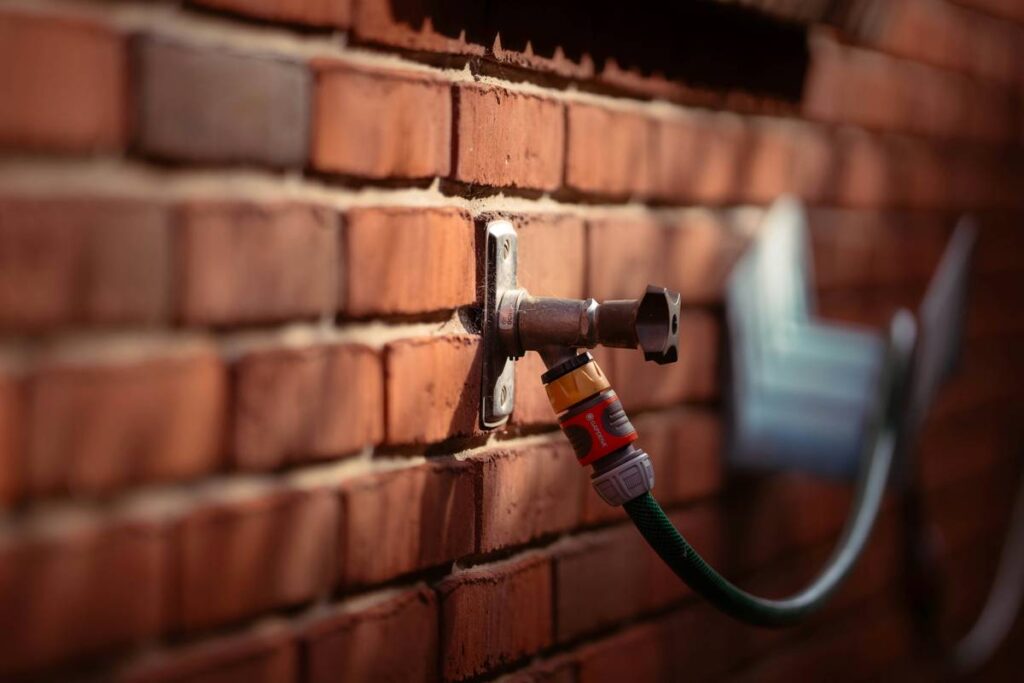
You thread it on tight. You double-check the fit. Still, water sprays everywhere like a rogue fire hydrant. The problem isn’t your technique—it’s that cheap garden hose to garden hose connector you grabbed off the hardware store shelf last spring. And if you’re stacking multiple hoses without the right coupling strategy? You’re inviting leaks, pressure drops, and backyard frustration.
Most Connectors Aren’t Built for Real-World Use
Big-box stores push plastic couplers because they’re cheap—not because they last. Plastic cracks under UV exposure. Threads strip after two seasons. And mismatched diameters? Common. Even “universal” fittings often assume perfect hose ends—which rarely exist outside factory floors.
Here’s the reality: most gardeners treat connectors like disposable parts. They’re not. A quality garden hose to garden hose connector should outlive your hoses.
How to Choose & Install the Right Connector—Step by Step
Step 1: Match Your Hose Diameter Exactly
Not all hoses are 5/8″. Measure yours internally—tape measure in hand. Using a 3/4″ connector on a 5/8″ hose guarantees leaks, no matter how hard you wrench it.
Step 2: Avoid Plastic Unless It’s Reinforced
Brass lasts decades. Stainless steel resists corrosion. High-grade nylon with metal inserts? Acceptable for light use. Pure plastic? Trash it after one season—or watch it fail mid-sprinkling.
Step 3: Use Thread Seal Tape—Yes, Even on Hoses
Most DIYers skip this. Pros don’t. Wrap Teflon tape clockwise 2–3 times on male threads before connecting. It fills micro-gaps standard rubber washers miss.
| Connector Type | Max PSI Rating | Lifespan (Avg.) | Cost Range |
|---|---|---|---|
| Plastic (Standard) | 60 PSI | 6–12 months | $1–$3 |
| Nylon w/ Metal Core | 100 PSI | 2–3 years | $4–$7 |
| Solid Brass | 150+ PSI | 10+ years | $8–$15 |
| Stainless Steel Quick-Connect | 120 PSI | 5–8 years | $12–$20 |
Step 4: Don’t Overtighten—Hand-Tight Plus a Quarter Turn
Crushing the washer kills seals. Snug it by hand, then use pliers for just a slight nudge. Any more risks damaging both connector and hose fitting.

The Industry Secret: Use Dual Washers for High-Pressure Runs
Here’s what irrigation contractors won’t tell homeowners: stack two rubber washers—one inside the female end, one behind the male thread shoulder. This dual-seal setup handles pressure spikes from pumps or municipal surges that blow single-washer systems apart. It’s low-cost insurance against flooded flowerbeds. And yes—it works even with quick-connect styles if you modify the collar slightly. Test it yourself next time you’re extending beyond 75 feet.
Frequently Asked Questions
Can I connect two different brand hoses with one connector?
Yes—if diameters match exactly. Brand doesn’t matter; internal diameter and thread pitch do. Always measure first.
Why does my connector leak only when the water is off?
That’s backflow pressure equalizing. Install an anti-siphon valve or use a dual-washer setup to eliminate it.
Are quick-connect fittings better than threaded garden hose to garden hose connectors?
For frequent changes, yes. For permanent runs, threaded brass lasts longer and handles higher pressure without failure points.